Back to Articles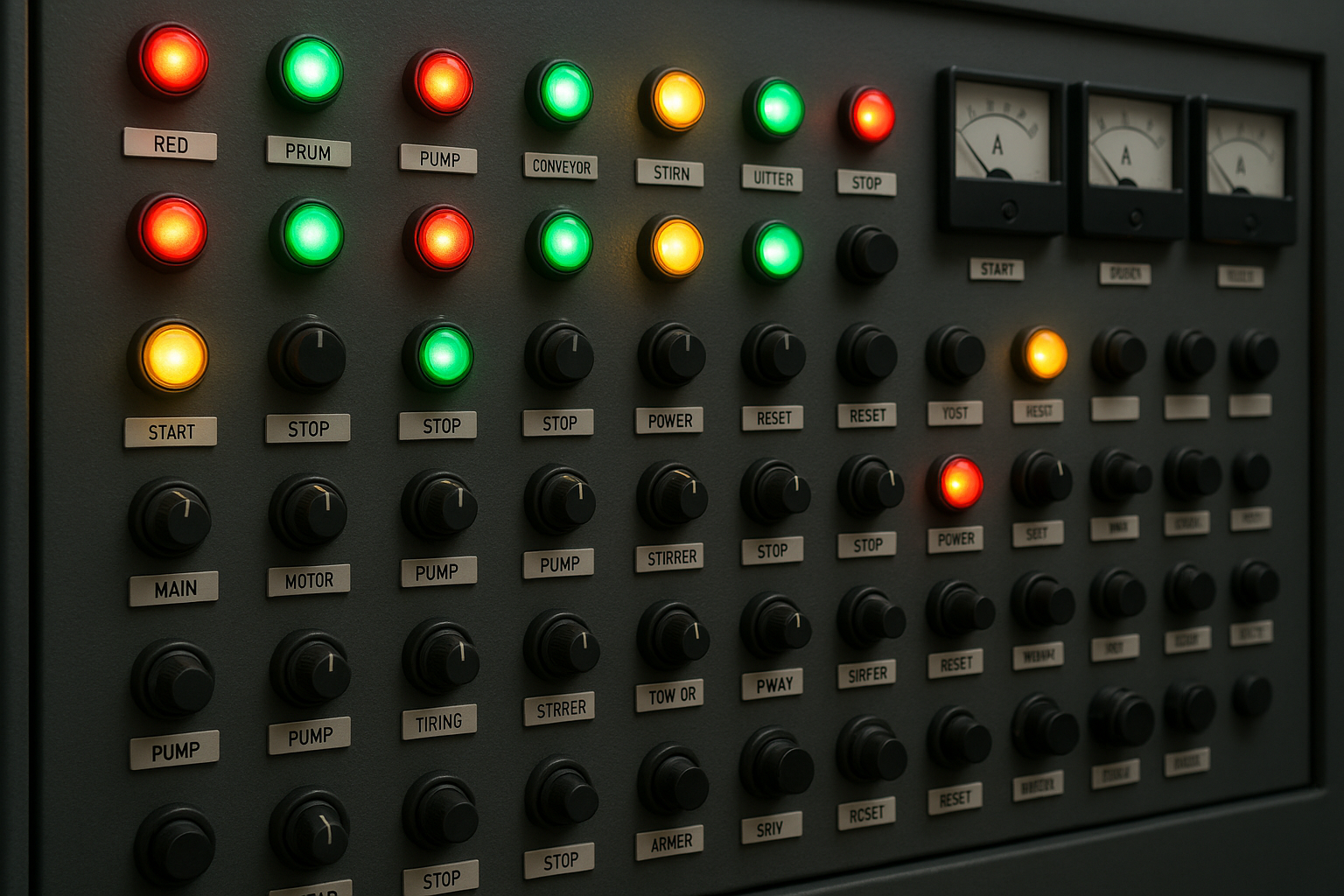
Introduction
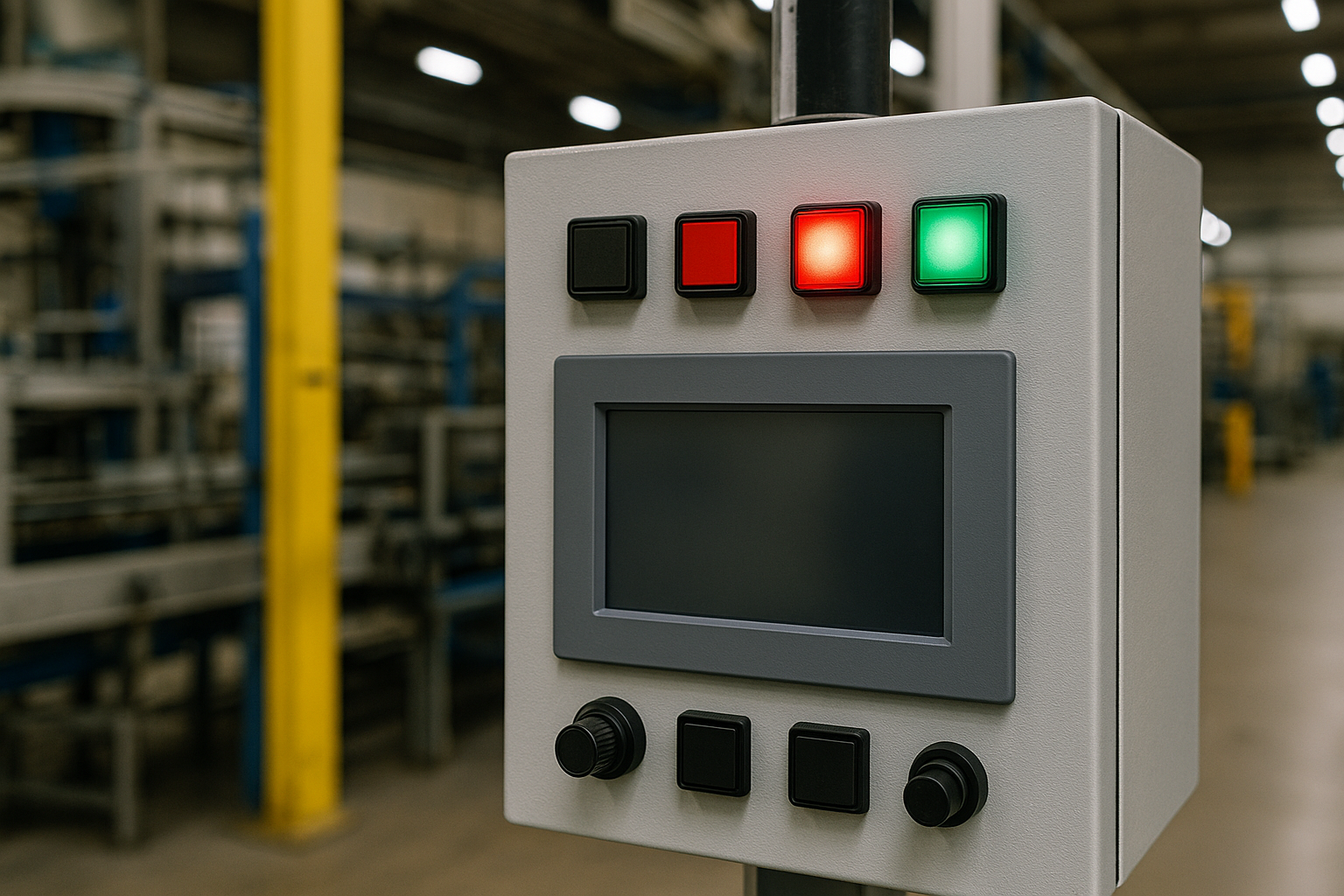
In modern industrial settings, Human-Machine Interfaces (HMIs) are much more than control panels—they’re the bridge between operators and increasingly complex automated systems. As automation expands into more challenging environments like chemical plants, foundries, energy infrastructure, and transit hubs, the reliability of these HMIs becomes essential for safety, uptime, and compliance.
In many cases, the HMI is the first component exposed to environmental stress—and often the first to fail. For OEMs and systems engineers, building robust HMI assemblies means going beyond basic functionality. These interfaces must withstand vibration, chemicals, moisture, electromagnetic interference (EMI), and extreme temperatures.
This guide shares best practices—drawn from real-world experience—for engineering HMI systems that deliver long-term performance and reliability in the toughest industrial conditions.
How do we Engineer for Industrial Realities?
Designing for extreme environments requires a proactive engineering strategy that accounts for simultaneous environmental stressors. Rather than designing for isolated conditions, HMI assemblies must be holistically fortified against the combined physical, chemical, and electrical forces found on the factory floor:
● Dust, oil, or moisture ingress
● Vibration and impact from heavy machinery
● Exposure to cleaning agents or corrosive chemicals
● UV exposure and thermal cycling
● Electromagnetic interference (EMI) from industrial equipment
Using the right materials—such as stainless steel, polycarbonate, or reinforced thermoplastics—helps maintain structural integrity and enclosure seals, which are critical for IP and NEMA compliance.
What are the 3 Key Priorities for Durable HMI Assemblies?
Building long-lasting HMI assemblies requires balancing electronic protection, human factors, and mechanical durability. Focusing on three key engineering priorities ensures long-term operational performance:
1. Component Reliability: Switches, LEDs & Indicators
Tactile components, such as pushbuttons and toggles, are heavily used and prone to wear. Failure here leads to costly downtime and safety risks.
● Select switches rated for high cycle counts and harsh environments.
● Utilize LED indicators that provide high visibility, low power consumption, and protection against shock, vibration, and electromagnetic interference (EMI).
Tip: Look for components rated IP67 or higher, with UV-stable housings and bright, color-coded illumination for clear status visibility.
2. Operator Usability & Ergonomic Design
In environments where operators wear gloves or personal protective equipment (PPE), intuitive design is crucial. Prioritize:
● Adequate spacing for gloved hands
● Tactile feedback from switches
● LED backlighting for low-light areas
● Color-coded elements aligned with safety standards like IEC 60204-1 (Safety of machinery - Electrical equipment of machines - Part 1: General requirements)
Modular HMI layouts and smart backlighting enhance usability and expedite operator response—especially in high-pressure environments such as oil rigs or water treatment facilities.
3. Environmental Protection & Sealing
A reliable seal is the frontline defense in protecting HMI electronics. Look for:
● Overmolded gaskets or elastomer boots
● Sealed wiring paths and cable entries
● Pressure-equalization vents to prevent condensation
● Chemical-resistant seals, such as fluorosilicone
VCC’s sealing technologies provide both protection and clarity, especially in areas prone to mist, dust, or chemical exposure.
Real-World Applications: Lessons from the Field
Examining real-world deployments highlights how targeted component upgrades directly solve environmental challenges and improve operational uptime.
Water Treatment Facilities
In water treatment plants, switches in older control panels frequently failed due to persistent moisture, chemical mist, and buildup. Upgrading to fully sealed VCC components eliminated ingress issues, reducing panel maintenance by 95% while significantly improving alert visibility for operators across humid processing zones.
Transportation & Rail Infrastructure
Rail and transit systems subject control interfaces to continuous mechanical vibration, physical shock, and heavy electromagnetic interference (EMI). Implementing VCC’s EMI-shielded LED modules protected signal accuracy and eliminated accidental activations, ensuring reliable
Beyond Compliance: Testing for Real-World Reliability
Meeting basic standards like UL, CE, and IEC is just the baseline. To guarantee performance under extreme conditions, VCC pushes assemblies through rigorous environmental and stress testing:
Accelerated Life Testing (HALT/HASS) — Proactive Failure Identification
These specialized reliability tests push products beyond their specified operational limits to rapidly uncover design and manufacturing weaknesses, improving product robustness and ensuring consistent quality throughout the lifecycle.
Salt Fog and Condensation Cycling — Assessing Corrosion Resistance
HMI assemblies deployed in environments exposed to moisture, chemicals, or coastal conditions are highly susceptible to corrosion. Cyclic corrosion testing evaluates material resistance to prevent structural and electrical degradation over time.
EMI/ESD Simulations — Safeguarding Electronics
Electronic components within HMI assemblies are sensitive to Electromagnetic Interference (EMI) and Electrostatic Discharge (ESD), which can cause malfunctions or permanent damage. Simulations ensure complete immunity and reliable operation in electrically noisy industrial settings.
Mechanical Fatigue Testing — Predicting Lifespan
Meticulously designed to span the full range of cyclic stresses a material experiences once manufactured into a finished component, preventing premature structural failure under heavy operational use.
Frequently Asked Questions (FAQs)
What Causes Most HMI Failures in Industrial Environments?
Moisture ingress, compromised sealing, severe mechanical shock, and electromagnetic interference (EMI) are the leading causes of premature HMI failure.
How Do I Ensure High Reliability When Selecting HMI Components?
Prioritize components backed by verified IP ratings (e.g., IP67+), documented mechanical cycle counts, and standard compliance certifications (UL, CE, RoHS). Requesting real-world case studies or field test data from suppliers is also recommended.
Can Ruggedized HMIs Maintain a Modern Aesthetic?
Yes. Modern industrial designs combine low-profile, sleek aesthetic contours, flush mounting, and customized backlighting while fully adhering to stringent industrial protection standards.
What Is the Typical Lifespan of Industrial-Grade LED Indicators?
High-performance LED indicators routinely exceed 100,000 hours of continuous operational life—outlasting traditional incandescent bulbs by up to ten times while consuming significantly less power.
What Are the Main Benefits of a Modular HMI Design?
Modular HMI architectures streamline system upgrades, simplify fault isolation, accelerate routine maintenance, and drastically reduce overall downtime when servicing individual components.