Back to Articles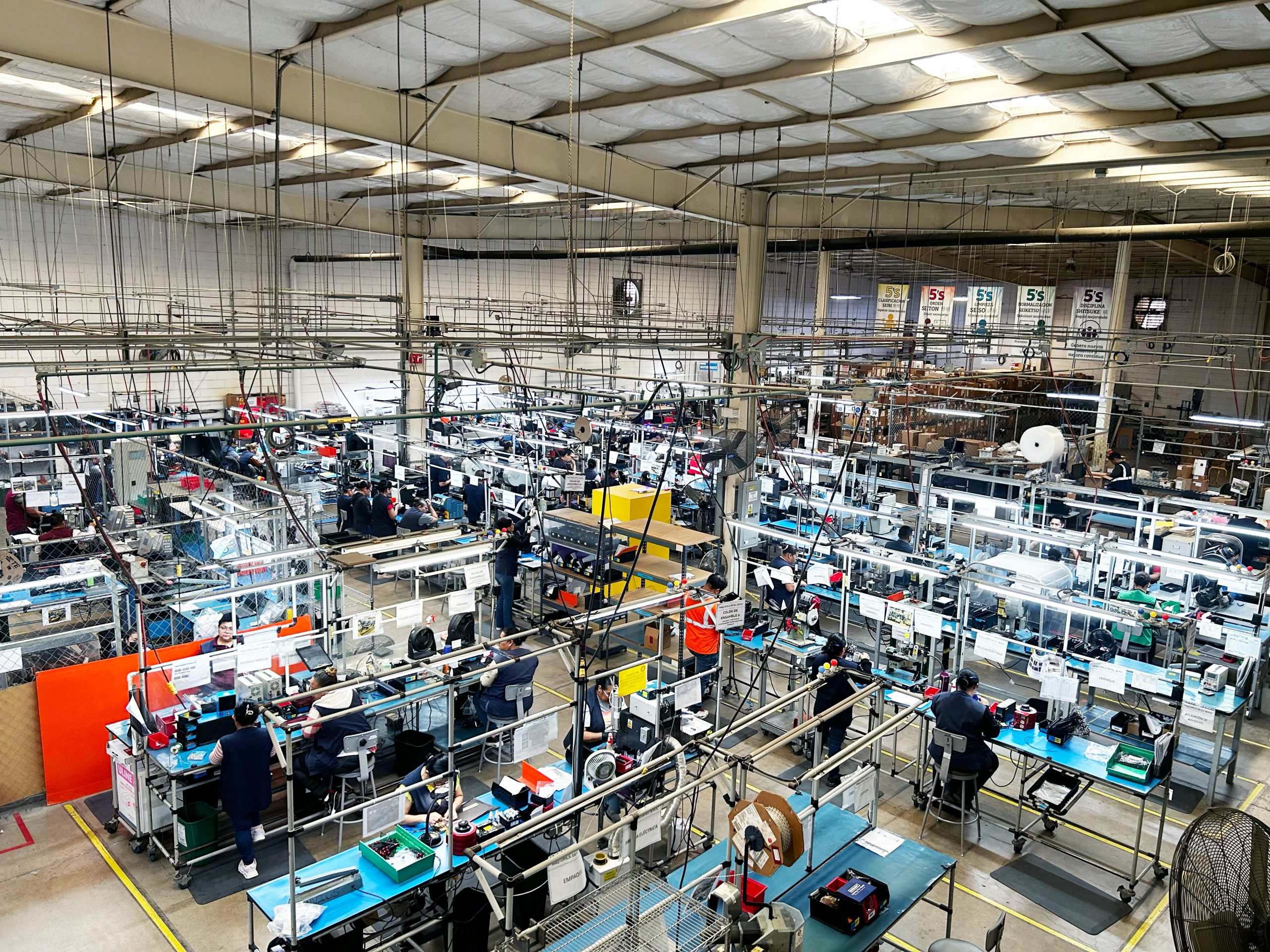
Human Machine Interface (HMI) performance is rarely defined by a single component. Reliable interface design results from coordinated decisions throughout the entire HMI lifecycle, from early concept development to production scaling.
When indicators, light pipes, switches, and audible devices are selected late in development, integration challenges often appear during validation or manufacturing. A lifecycle-driven approach to HMI engineering helps reduce those risks.
Below is how structured HMI lifecycle support strengthens the interface reliability and development predictability.
Successful HMI design begins during the requirements phase, not at sourcing.
At this stage, key engineering considerations include:
● Mechanical constraints and enclosure layout
● PCB spacing and LED placement
● Optical path feasibility
● Environmental exposure (temperature, vibration, UV, sealing)
● Regulatory and compliance requirements
Early collaboration between system architects and HMI engineering teams helps ensure illumination behavior, mechanical integration, and usability align with real-world operating conditions.
Addressing these variables early in the HMI lifecycle reduces tolerance conflicts and minimizes late-stage redesign.
Treating HMI as a subsystem, rather than a discrete component, improves system-level performance.
Optical Simulation and Light Pipe Performance Modeling
Illumination consistency in HMI systems cannot rely on assumptions alone.
Optical simulation enables engineers to evaluate:
● Internal reflection geometry
● Surface finish effects
● Material refractive properties
● LED coupling alignment
● Panel thickness and texture impact
Digital modeling of light transmission paths helps identify potential hot spots, light loss, and non-uniform brightness before tooling investment.
In applications requiring precise visual feedback, optical simulation improves validation confidence and shortens iteration cycles.
Light pipe design and optical performance modeling are critical steps in achieving predictable interface behavior.
Physical validation remains essential in the HMI lifecycle.
Rapid prototyping allows teams to evaluate:
● Light distribution and viewing angle
● Mechanical fit within enclosures
● Tactile response of switches
● Alignment between optical and electronic systems
Functional prototypes help verify assumptions before production tooling is finalized.
This phase often reveals interaction effects between mechanical, optical, and electrical systems that may not be fully captured in digital models.
Iterative HMI prototyping reduces downstream risk and supports informed design decisions.
Interface Validation and Environmental Testing
HMI validation extends beyond basic functionality.
Depending on the application, testing may include:
● Thermal cycling
● Vibration resistance
● Environmental sealing
● Actuation lifecycle testing
● Illumination consistency over time
Coordinating validation requirements early in development ensures that design intent aligns with real-world operating conditions.
Structured interface validation supports predictable certification timelines and reduces field performance variability.
The transition from validated design to full-scale production introduces additional variables:
● Tooling precision and repeatability
● Material consistency
● Quality control standards
● Supply continuity
● Manufacturing process stability
Maintaining optical and mechanical integrity during production scaling is critical to preserving design performance.
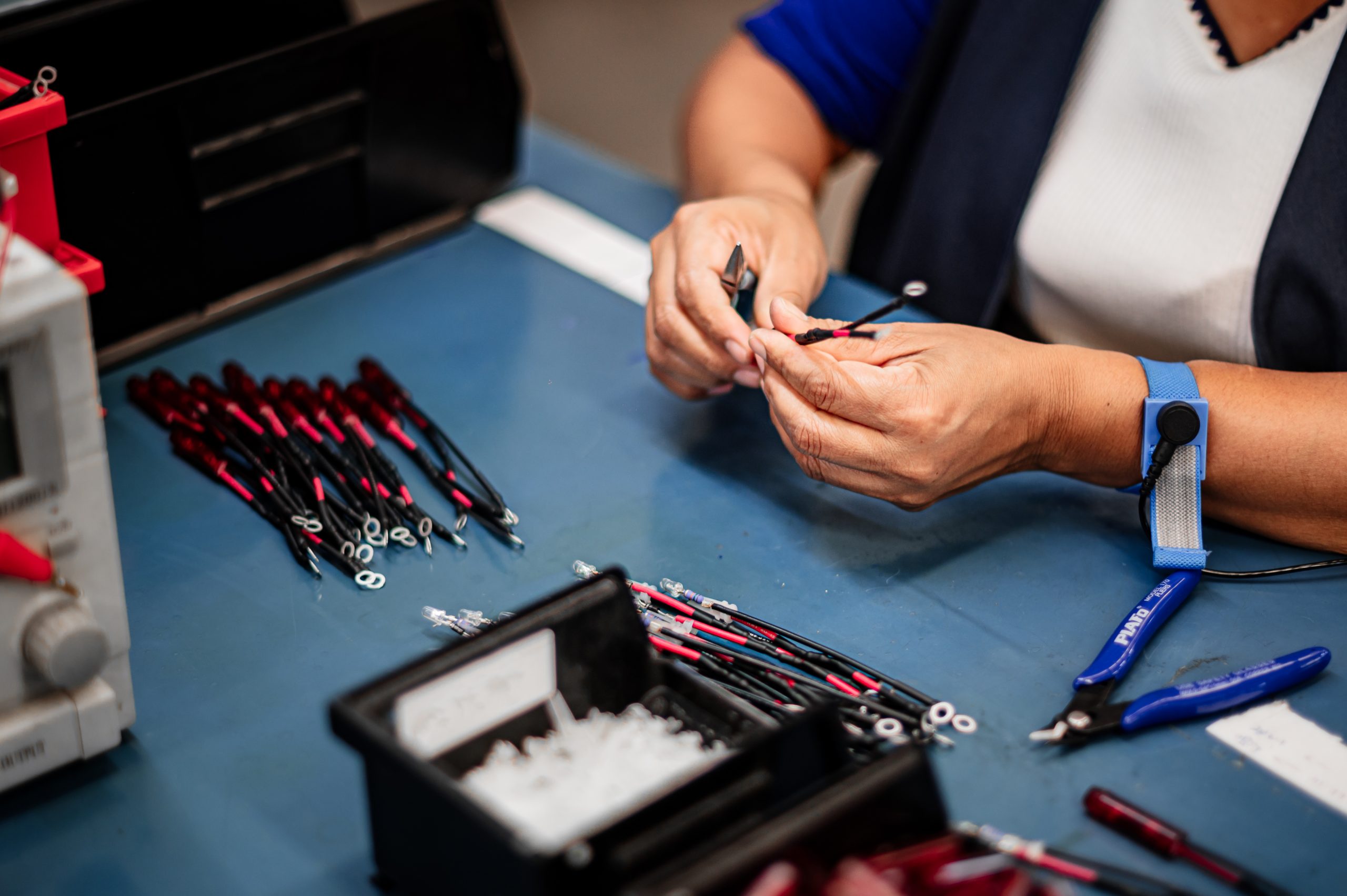
For OEM programs requiring broader integration, contract manufacturing capabilities such as PCB assembly and cable assembly can further streamline subsystem integration.
Successful HMI production depends on aligning engineering design with manufacturing execution.
HMI performance is cumulative. Each stage requirements definition, optical simulation, prototyping, validation, and production influences overall reliability.
A structured HMI lifecycle approach:
● Reduces redesign cycles
● Improves illumination predictability
● Supports validation efficiency
● Enhances long-term production stability
From concept to production, disciplined HMI engineering reduces risk and improves system-level integration.
Reliable human-machine interaction is not the result of isolated parts, it is the outcome of lifecycle integration.