Back to Articles
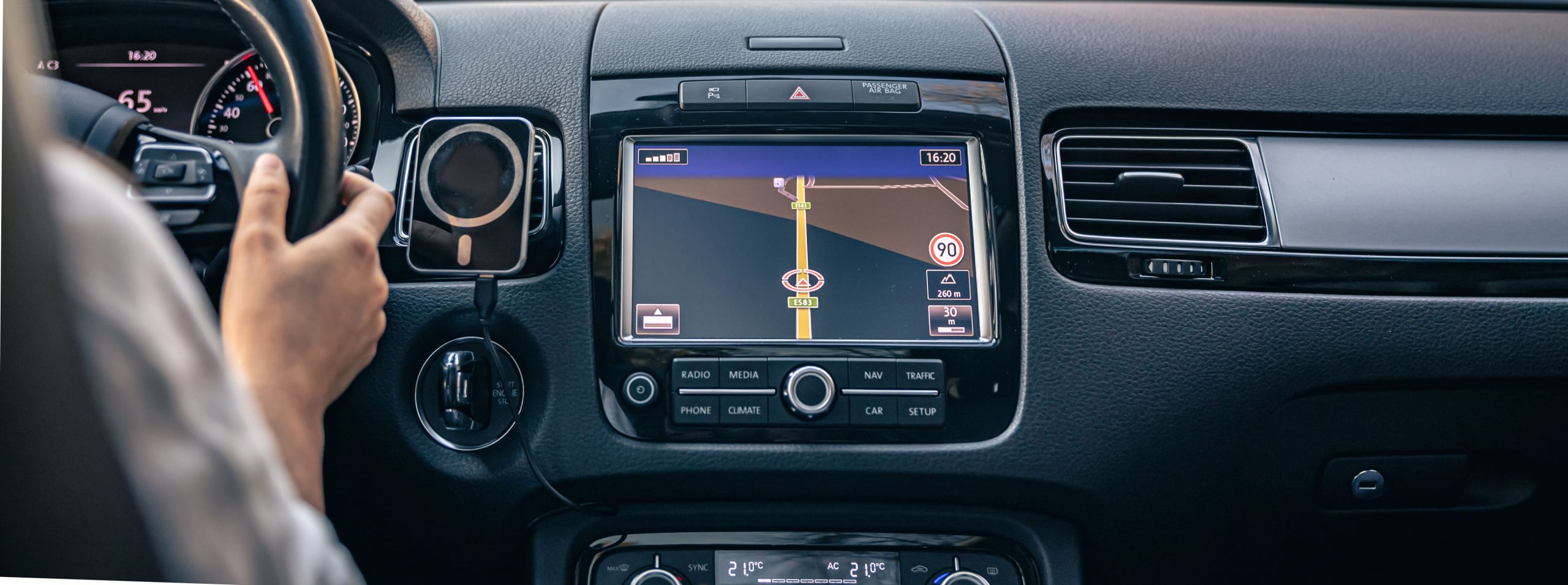
Rapid digitization has transformed the automotive cockpit into a technology showroom and the industrial control panel into a gleaming screen. However, this prevailing shift toward pure digital control is now meeting a critical correction, driven by safety regulatory bodies and the uncompromising realities of human factor engineering.
The persistent reliance on mechanical switches in high-stakes environments is not a sign of technological inertia. It is a mandatory strategic choice rooted in physics, human cognitive load, and safety compliance.
This article analyzes the core engineering advantages of physical controls—tactile feedback, minimal latency, and mechanical durability—across the transportation, medical, and industrial sectors, concluding with an optimal hybrid model for the future of HMI design.
The Human Factor: Cognition, Focus, and Safety
Cognitive Load and Driver Distraction
The primary safety deficit of digital interfaces is the high cognitive load they impose on operators. Physical controls rely on muscle memory and direct spatial interaction, eliminating the need for visual search or context-dependent menu navigation.
A study by Vi Bilägare demonstrated that drivers took up to four times longer to complete routine tasks on a touchscreen than with physical buttons, significantly increasing driver distraction and collision risk. Physical switches allow the brain to remain focused on the primary task—such as driving or operating machinery—while the hand handles the control autonomously.
The Proprioceptive Advantage of Haptic Feedback
Haptic feedback—the distinct physical feeling of movement, a click, or a detent—provides a proprioceptive advantage that allows operation by feel rather than by sight. Operators can confirm activation instantly without diverting their gaze from critical tasks.
This principle builds on Shape Coding, pioneered in aviation during World War II, where unique physical shapes were assigned to critical controls (such as a flap knob shaped like a small aircraft flap). Pilots could identify and operate controls purely by touch under extreme stress. Providing stable, unambiguous tactile feedback remains a proven method for reducing operator stress and preventing critical input errors.
Engineering Rules for Critical HMI: Predictability and Durability
Analog Low Latency vs. Processor Dependency
When control execution must be instantaneous, physical mechanics beat software. Mechanical and analog control systems provide continuous signal pathways with near-zero latency, which is vital for real-time safety control loops.
In contrast, touchscreen digital interfaces introduce variable latency dependent on processor load, software stack stability, graphic display refresh rates, and bus traffic. In high-stakes control systems, this variable delay introduces an unpredictable lag between human intent and machine response.
Component Lifecycle and the Contact "Cleaning Effect"
Electro-mechanical contacts deliver exceptional long-term reliability through a built-in mechanical self-cleaning action. The physical wiping force and localized electrical energy during switch actuation actively scrape away surface oxidation, dust, and non-conductive film buildup. This inherent self-cleaning mechanism preserves electrical conductivity and mechanical function throughout the component's operational lifecycle—without requiring software patches, firmware resets, or hardware updates.
Industry Case Studies: Where Failure Is Not an Option
Mechanical controls are a cross-industry mandate, not just an automotive trend, and they play a pivotal role in critical HMI design.
The Automotive Regulatory Reversal
The real-world failure of extreme vehicle digitization—such as unintuitive capacitive steering wheel buttons and sub-menu HVAC controls—has triggered direct regulatory intervention. The Euro NCAP 2026 mandate requires physical controls for critical driving functions to achieve top safety ratings. By institutionalizing basic ergonomics in the transportation sector, regulators are sending a clear signal that driver safety precedes minimalist interior aesthetics.
Medical and Life-Critical Devices
In clinical environments, interface simplicity, rapid sterilization, and immediate input confirmation are paramount. Specialized interfaces used in medical devices—such as rugged membrane switches on defibrillators, ventilators, and infusion pumps—provide physical activation feedback while maintaining smooth, wipeable surfaces that minimize critical input errors during emergency care.
Aerospace and Procedural Integrity
Aviation safety culture depends on strict procedural compliance and zero-ambiguity inputs. Dedicated physical switches and guarded toggles in aerospace cockpits provide hard-coded tactile workflows. Pilots can confirm system status purely by touch, preventing human error during high-stress flight maneuvers and emergency checklists.
Heavy Industrial and Harsh Environments
In demanding factory floors, construction sites, and outdoor jobsites subject to heavy dust, severe vibration, and water spray, digital screens often demand expensive, fragile protection. The rugged mechanical durability of industrial controls—such as heavy-duty joysticks, pushbuttons, and rotary switches—allows operators wearing heavy work gloves to maintain precise, reliable machine control in extreme conditions.
The debate between pure analog and pure digital control presents a false dichotomy. The future of HMI is an intentional, strategic blend of both technologies.
● Digital Interfaces: Best suited for flexible data display, rich system visualization, software diagnostics, and secondary convenience functions.
● Mechanical Controls: Essential for core, safety-critical operations that demand zero-latency execution, distinct haptic feedback, and guaranteed physical resilience.
In an increasingly automated world, an operator's ability to execute an unambiguous, physically confirmed input remains the foundational cornerstone of safe machine interaction.
Why Are Physical Controls Safer Than Touchscreens in Critical Applications?
Physical controls reduce driver and operator distraction by leveraging muscle memory and haptic feedback. They allow users to operate switches by feel without taking their eyes off primary tasks, significantly reducing visual search time and cognitive load compared to navigating digital screen menus.
How Do Physical Switches Eliminate Latency Compared to Touchscreens?
Mechanical switches provide continuous, analog signal pathways that execute commands instantly. Digital touchscreens rely on software stacks, display refresh cycles, and processor speeds, introducing variable input latency that can delay response times in real-time safety control loops.
What Is the Euro NCAP 2026 Mandate Regarding Physical Buttons?
The Euro NCAP 2026 safety protocol requires new vehicles to feature physical controls for five critical functions—turn signals, hazard lights, windshield wipers, horn, and emergency SOS—to receive a maximum five-star safety rating. This regulation reverses extreme interior digitization to prioritize driver ergonomics and road safety.