Back to Articles
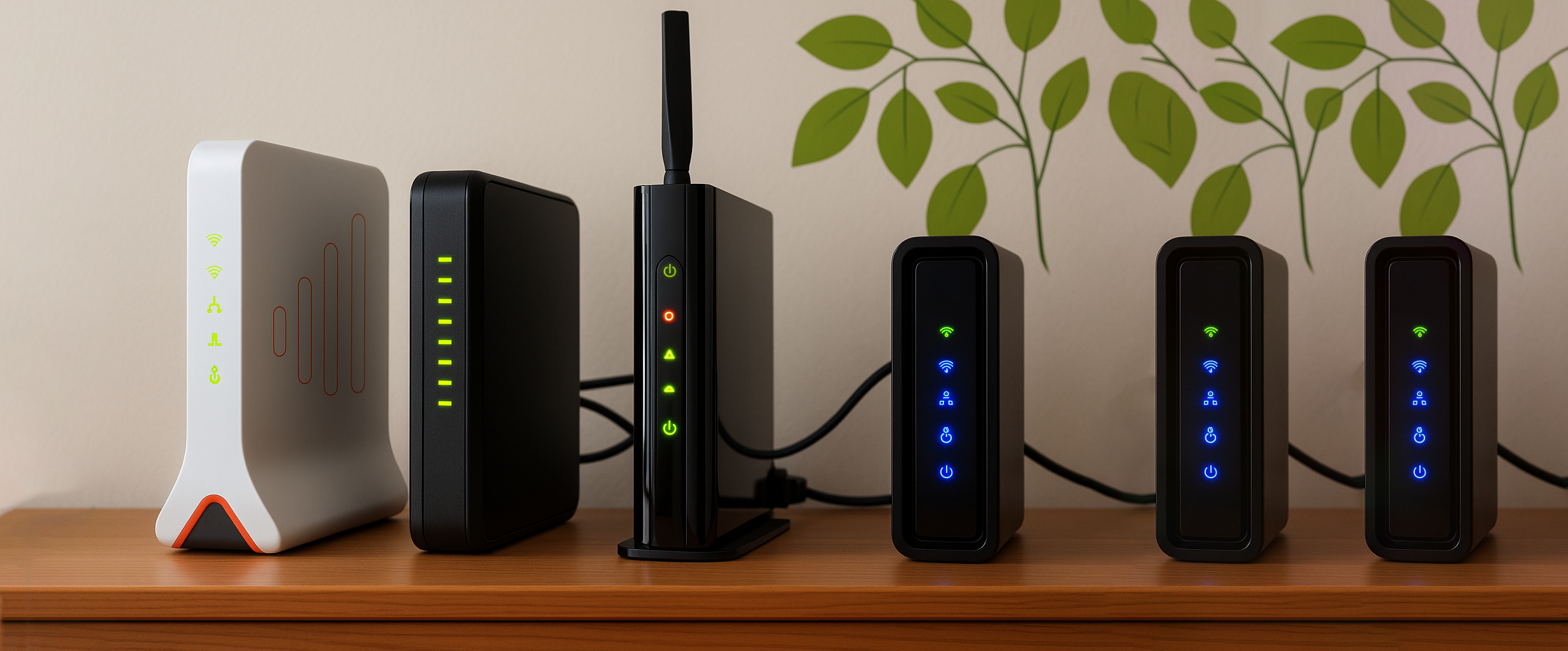
In rugged industrial environments, even the smallest system components (such as LED indicators) must perform flawlessly. A poorly integrated light pipe may seem minor during initial commissioning, but it can lead to visibility failures, safety risks, and costly downtime over time. For engineers designing control hardware exposed to continuous vibration, moisture, dust, and electromagnetic interference, reliable visual indication is essential. At VCC, we understand that light pipe design is not just about routing light: it is about precision optical engineering that supports mission-critical performance.
Introduction to Industrial Lighting Solutions
Industrial lighting solutions are designed to provide efficient, effective illumination across settings like factories, warehouses, and manufacturing facilities. Light pipes play a crucial role in these systems, offering a reliable and cost-effective means of transmitting light from a source to a desired panel location. By incorporating optical principles, light pipes minimize light loss and maximize output, ensuring maximum light reaches the target area.
The use of light pipes can significantly reduce energy consumption and improve safety by providing a uniform, consistent light source. In addition to light pipes, components such as lenses and mounts are used to customize lighting solutions for specific application needs. Light pipes can also produce a variety of status colors, including white light, which is often preferred in industrial settings.
Electronic devices, such as printed circuit boards, integrate seamlessly with light pipes to create reliable signaling systems. Solid-core light pipes are often preferred due to their high light output and durability, using total internal reflection to minimize light loss and ensure efficient transmission.
By combining light pipes with engineered mounting components, industrial lighting solutions deliver optimal performance across a wide range of demanding applications.
Why Does Standard LED Integration Fall Short in Industrial Settings?
Industrial environments present severe challenges that off-the-shelf LED indicators often cannot withstand. Environmental factors such as continuous vibration, aggressive chemical exposure, solar UV degradation, and panel misalignment quickly compromise performance. Without custom light pipes, you risk:
-
Poor Visibility: Standard pipes can scatter light, create dark dead zones, or distort status colors, violating HMI guidelines and functional safety standards.
-
Mechanical Failure: Generic mounting methods fail under shock and vibration, leading to physical misalignment or complete component detachment.
-
Non-Compliance: Many standard LED modules fail to meet NEMA 4X, IP67, or IEC ingress protection standards without a ruggedized optical light path design.
Field studies show that improperly engineered light paths often lead to undetected process failures and compromised equipment uptime in critical applications.
Effective light pipe design balances optical performance, material resilience, and mechanical stability. Key elements include:
-
Optical Efficiency: Proper routing, precise internal ray tracing, and polished surface treatments can achieve over 90% light transmittance, even across wide viewing angles.
-
User Visibility in Harsh Conditions: Materials like clear or diffused optical PMMA enhance contrast, filter ambient glare, and support safety compliance in environments requiring personal protective equipment (PPE) or rapid visual assessments.
-
Mechanical Security: Retention techniques such as heat-staking, snap-fit designs, and vibration-tested geometries (found in VCC's 900 and SML Series) ensure long-term reliability across temperature extremes and physical impact scenarios.
In field environments, custom-engineered light paths make a critical difference. For example, VCC custom light pipes maintained continuous visual clarity during rigorous field testing in harsh North Dakota conditions, where standard off-the-shelf components repeatedly failed.
VCC develops custom light pipes for demanding sectors ranging from wind energy generation to marine control systems. Our optical solutions address:
-
Material Engineering: Specialized material blends resist continuous vibration while maintaining long-term optical clarity. Custom geometries deliver wide viewing angles up to ±45 degrees, validated through rigorous lifecycle testing.
-
Thermal Stability: Components preserve structural and optical performance under abrupt temperature shifts and electrical surges, preventing material warping and startup delays.
-
Simulation-Driven Precision: Advanced CAD layout tools and optical ray-tracing modeling ensure exact LED alignment, even within complex or space-constrained panel layouts.
-
Universal Mount Compatibility: Flexible mounting designs integrate easily into modular systems and compact enclosure form factors across next-generation industrial equipment.
For example, an equipment OEM reduced operator input errors to 8% by deploying VCC's dual-display, fluid-sealed light pipe system across high-moisture food processing lines.
Design Considerations for Optimal Performance
Achieving optimal performance in industrial signaling systems requires evaluating key optical and mechanical variables, including light pipe geometry, mounting configurations, and LED selection:
-
Diameter and Optical Output: Light pipe cross-sectional area directly impacts total luminous flux, with larger diameters delivering higher visual output across panel displays.
-
Material Selection: Choosing between high-transmittance optical polymers (such as PMMA) and impact-resistant polycarbonates determines the component's resistance to thermal deformation, mechanical shock, and UV exposure.
-
Mounting and Alignment: Installation layouts must align the light pipe core precisely with the board-mounted LED. While straight light paths maximize efficiency, custom curved or angled geometries allow light routing around internal enclosure obstacles without sacrificing total internal reflection (TIR).
-
Photometric Verification: Performance testing measures luminous intensity, color uniformity, and angular light distribution to verify visual clarity before final system integration.
By balancing these design factors, engineering teams can implement light pipe assemblies tailored to exact application requirements.
Applications in Industrial Settings
Light pipes are used across factories, warehouses, and processing facilities to deliver efficient, effective visual illumination and status signaling. Tailored to specific equipment needs, they improve workplace safety by enhancing indicator visibility and reducing operator eye strain.
In addition to status indication, versatile light pipe configurations (including straight, bent, and curved options) deliver uniform illumination while simplifying internal panel designs. Mounted using modular hardware, light pipes require minimal maintenance and eliminate the need for complex, extra wiring across industrial machinery.
Across field deployments, customers consistently report faster installation speeds, extended maintenance intervals, and improved visual reliability:
-
Streamlined Legacy Upgrades: One automation lead noted that integrating VCC light pipes reduced testing iterations and streamlined legacy panel upgrades.
-
Reduced Panel Failure Rates: In high-impact, high-vibration environments, VCC micro-tolerance adjustments have cut LED indicator failure rates by up to 30%.
Delivering Precision Optical Performance in High-Stakes Environments
In high-stakes industrial applications, light pipe design is essential to reliable indicator performance and operator safety. Generic off-the-shelf solutions consistently fall short under continuous vibration, UV exposure, and chemical washdowns. By combining optical ray-tracing, custom material selection, and ruggedized retention, VCC’s engineered optical pathways ensure long-term visual clarity, full agency compliance, and operational reliability across mission-critical equipment.
Frequently Asked Questions (FAQs)
What Is Light Pipe Design and Why Does It Matter in Industrial Settings?
Light pipe design is the optical and mechanical engineering of transparent conduits that route LED light from a printed circuit board to an equipment panel surface. Proper design uses total internal reflection (TIR) to maximize light output, prevent light bleed, ensure uniform visual status indication, and maintain reliable operator visibility in harsh industrial settings.
How Do Material Choices Affect Light Pipe Optical Performance and Durability?
Material selection directly impacts optical clarity, light transmittance, and environmental resistance. High-grade optical PMMA and polycarbonates resist yellowing, chemical exposure, thermal shock, and solar UV degradation, preserving long-term visual signaling across extreme operating temperatures and high-vibration conditions.
Are Custom Light Pipe Solutions More Expensive Than Standard Off-the-Shelf Options?
Custom light pipe solutions reduce total cost of ownership by eliminating field retrofits, simplifying panel assembly during commissioning, and preventing premature component failures. By using optical ray-tracing modeling and custom geometries before production, custom designs optimize manufacturing efficiency and avoid costly downtime caused by unread alarms.
Are VCC Light Pipe Assemblies RoHS and WEEE Compliant?
Yes, VCC light pipes and optoelectronic indicator components comply with international environmental and safety directives, including RoHS and WEEE standards. VCC provides comprehensive material traceability documentation and testing support to streamline client compliance audits.
When Should Light Pipe Assemblies Be Tested in the Product Development Lifecycle?
Light pipes should be evaluated during early optical modeling, verified during initial 3D enclosure fit-out, and tested in-situ during final system integration. Early photometric and mechanical testing verifies luminous intensity, axial alignment, angular distribution, and ingress sealing before full-scale manufacturing.